
[Review] Nostalgia Audio Guinevere : Golden Nobility
Share
Pros: Sub-Bass Emphasis without overpowering
Mid-bass isn't forgotten about despite sub-bass focus
Mids remain unobstructed, clear and coherent
Well Extended Treble and Sub-Bass
Unique Reverb effect
Mid-bass isn't forgotten about despite sub-bass focus
Mids remain unobstructed, clear and coherent
Well Extended Treble and Sub-Bass
Unique Reverb effect
Cons: None that I can think of? Will edit if I do though
Hello, thanks to Musicteck, Nostalgia Audio, Andrew, Adrian (of Nostalgia Audio) and Leo (Musicteck) for the opportunity to receive this unit in exchange for my honest opinion and review.
Opening notes/comments:
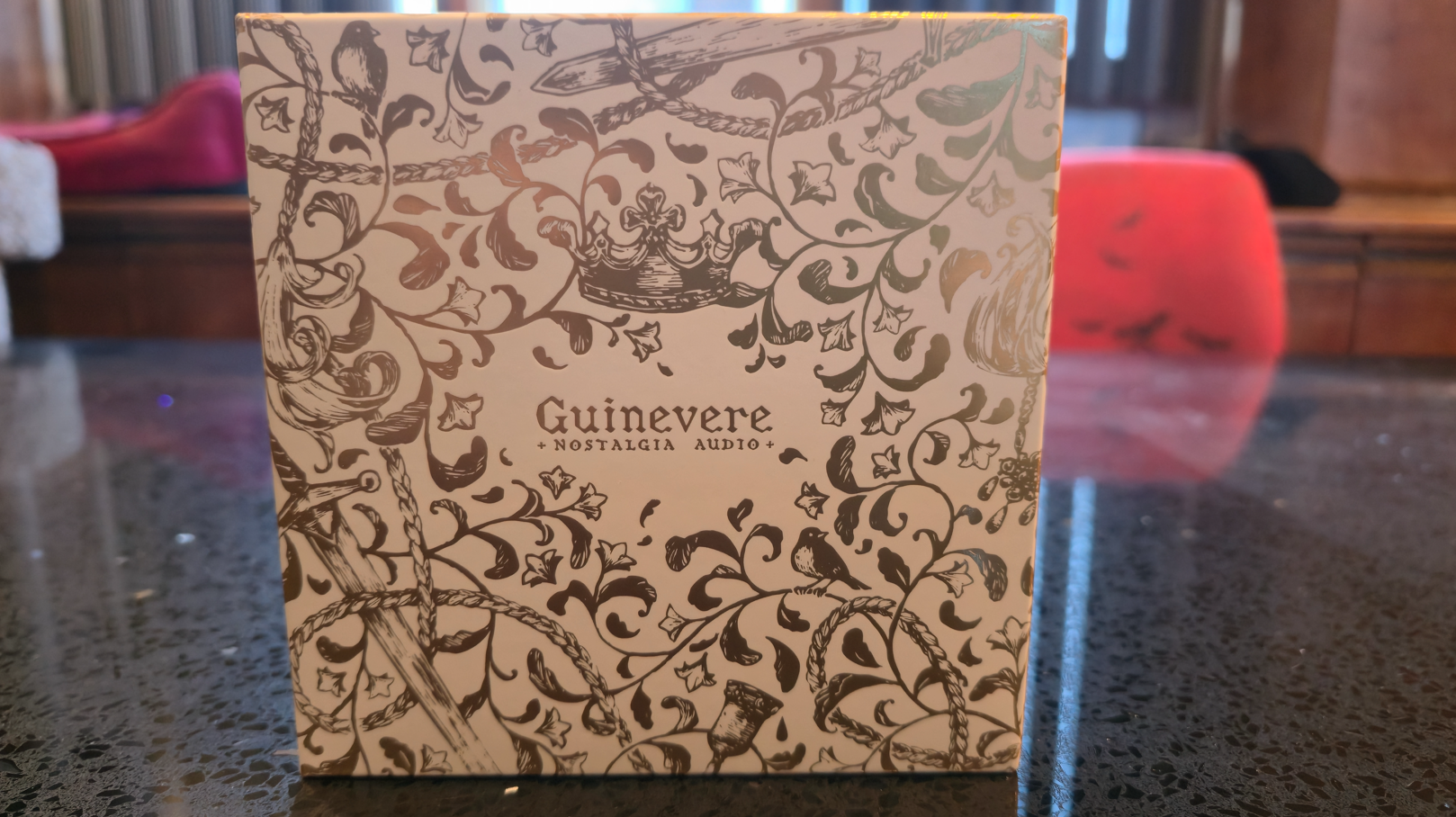
Nostalgia Audio has, since the Tesseract, included amazing stock cables with their IEMs but have also produced a handful of excellent upgrade cables, from the original Unicorn, the updated (and upgraded!) Unicorn Prestige, the Lancelot and now, their newest cable, the Guinevere. The Guinevere seeks to build on all their other cables produced before and create something better with (apparently) the first litz structured Gold, Silver, Platinum and Palladium alloy cable limited to only 80 units so definitely a cable to hop on and buy quickly if the below sounds like your tastes! Before getting into deeper detail, I definitely believe that this is their best cable yet (second would be the Tesseract's stock cable with the caveat of needing heavy burn in before it opens up). As a quick note, this cable was designed to be THE upgrade cable for Pendragon, as such it is unsurprising at the amazing syngergy with this IEM but the cable is still excellent with other IEMs.
All testing was done with HiBy RS8 as the source for all IEMs, and the Guinevere across the Pendragon, Tesseract, Durandal, and Unique Melody Indigo.


Build Quality:
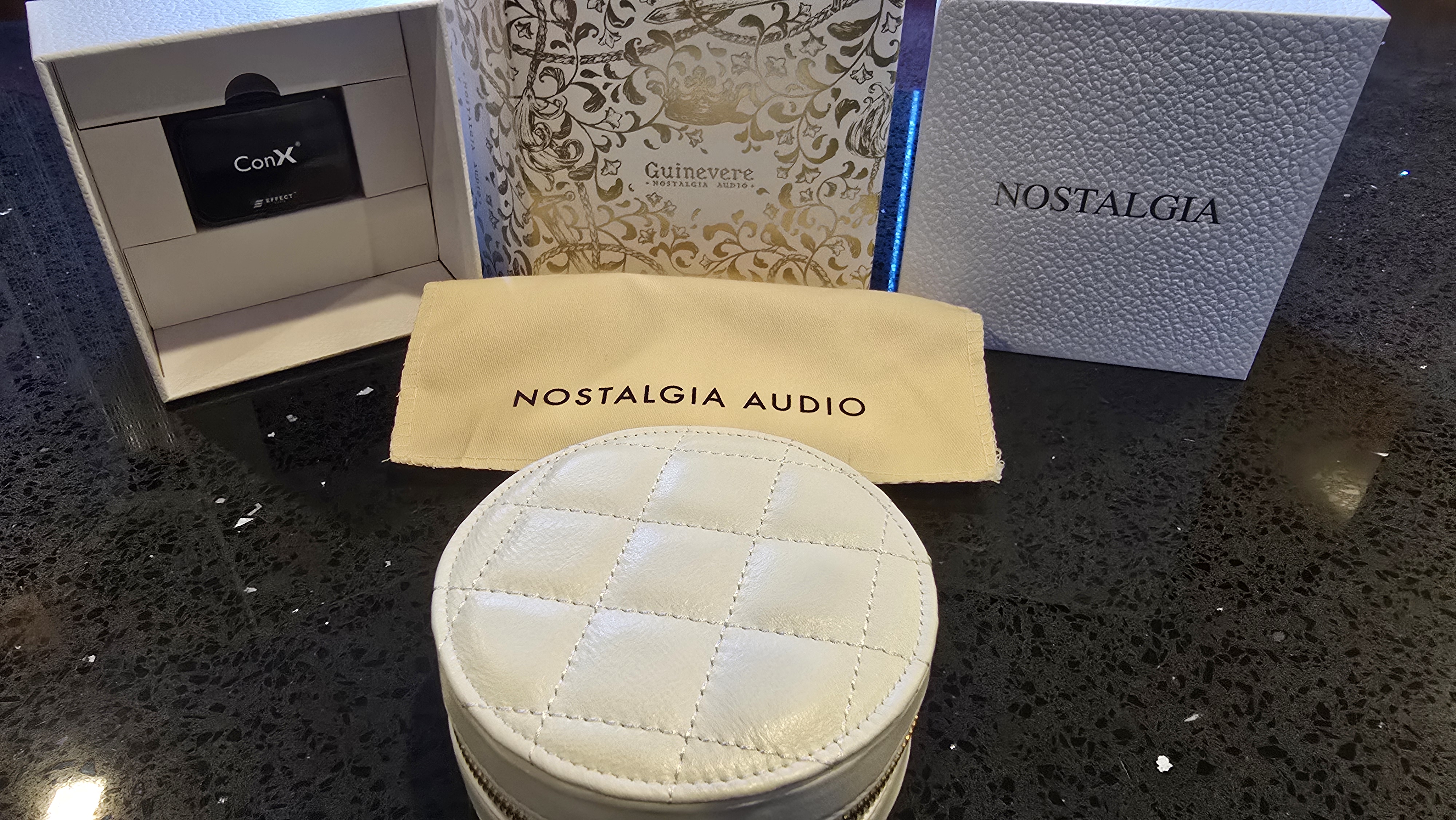
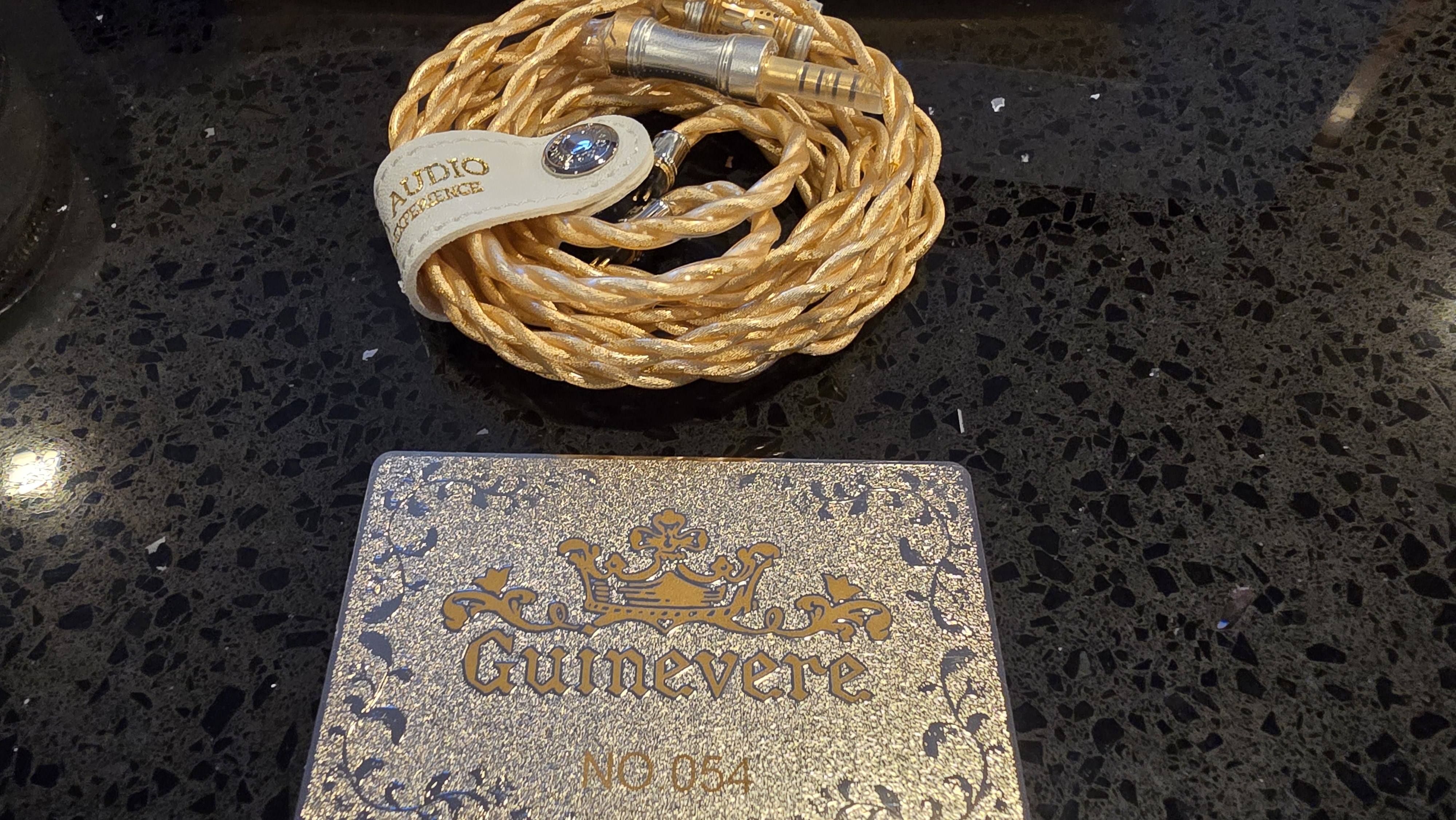
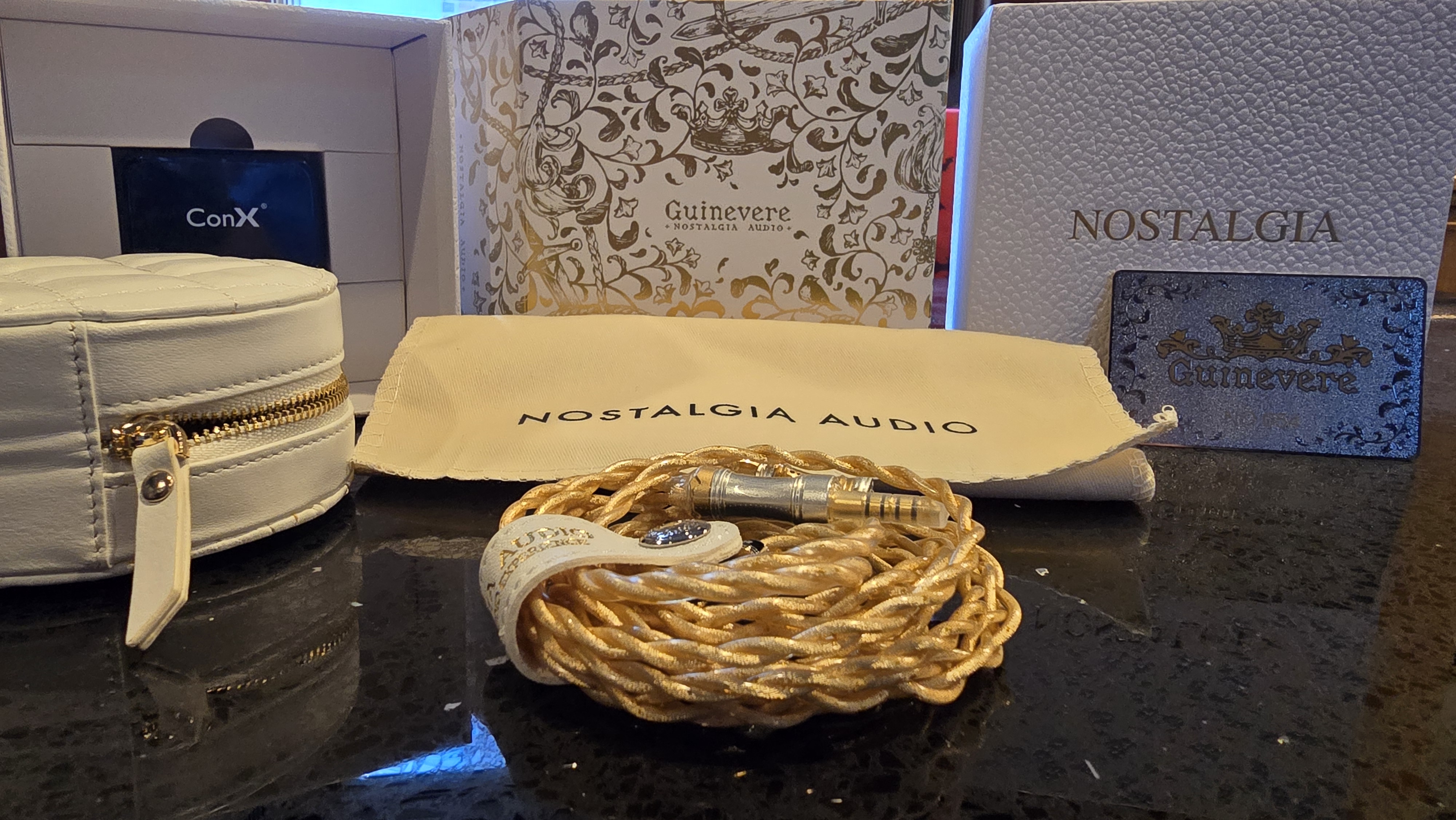
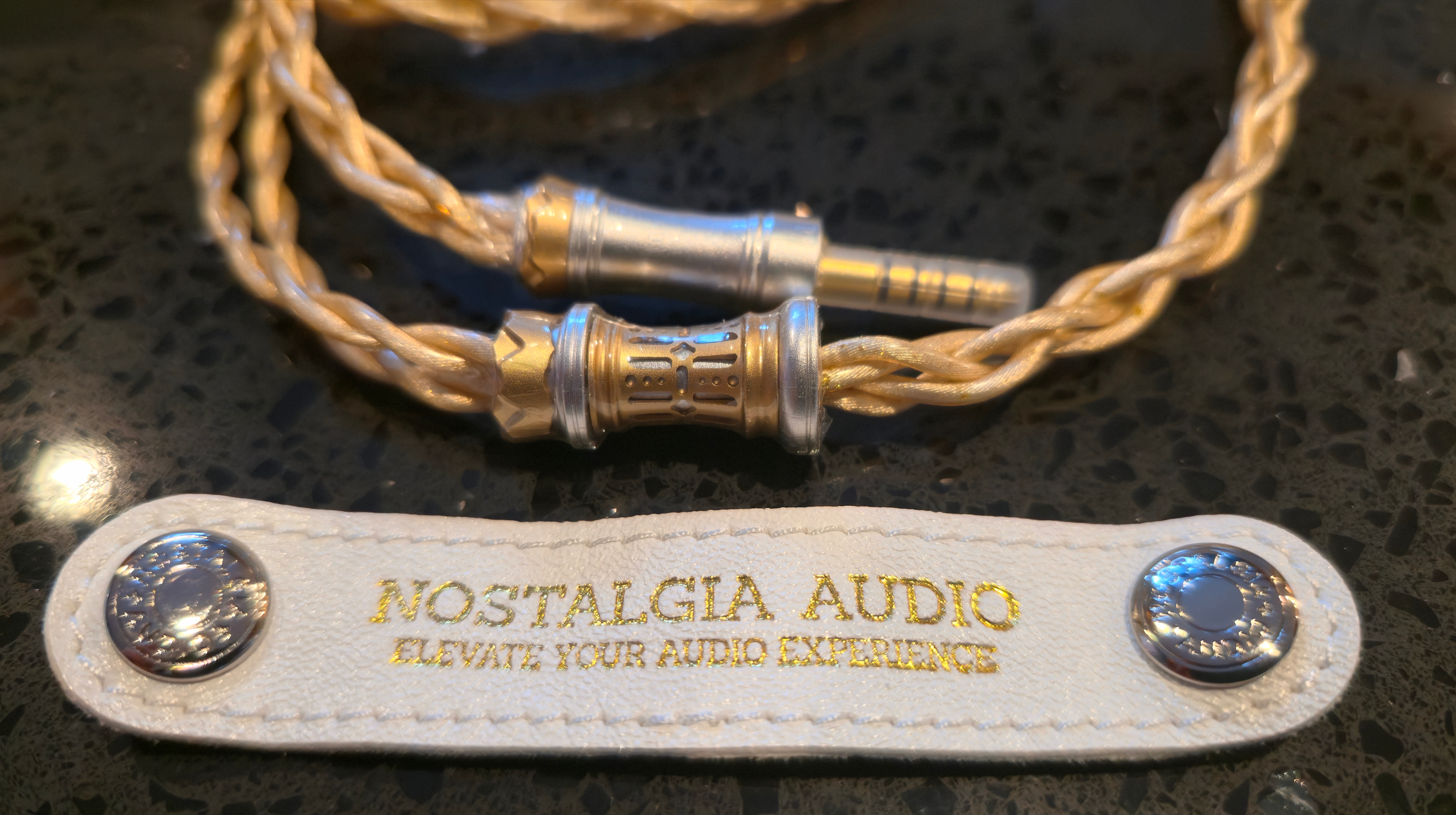
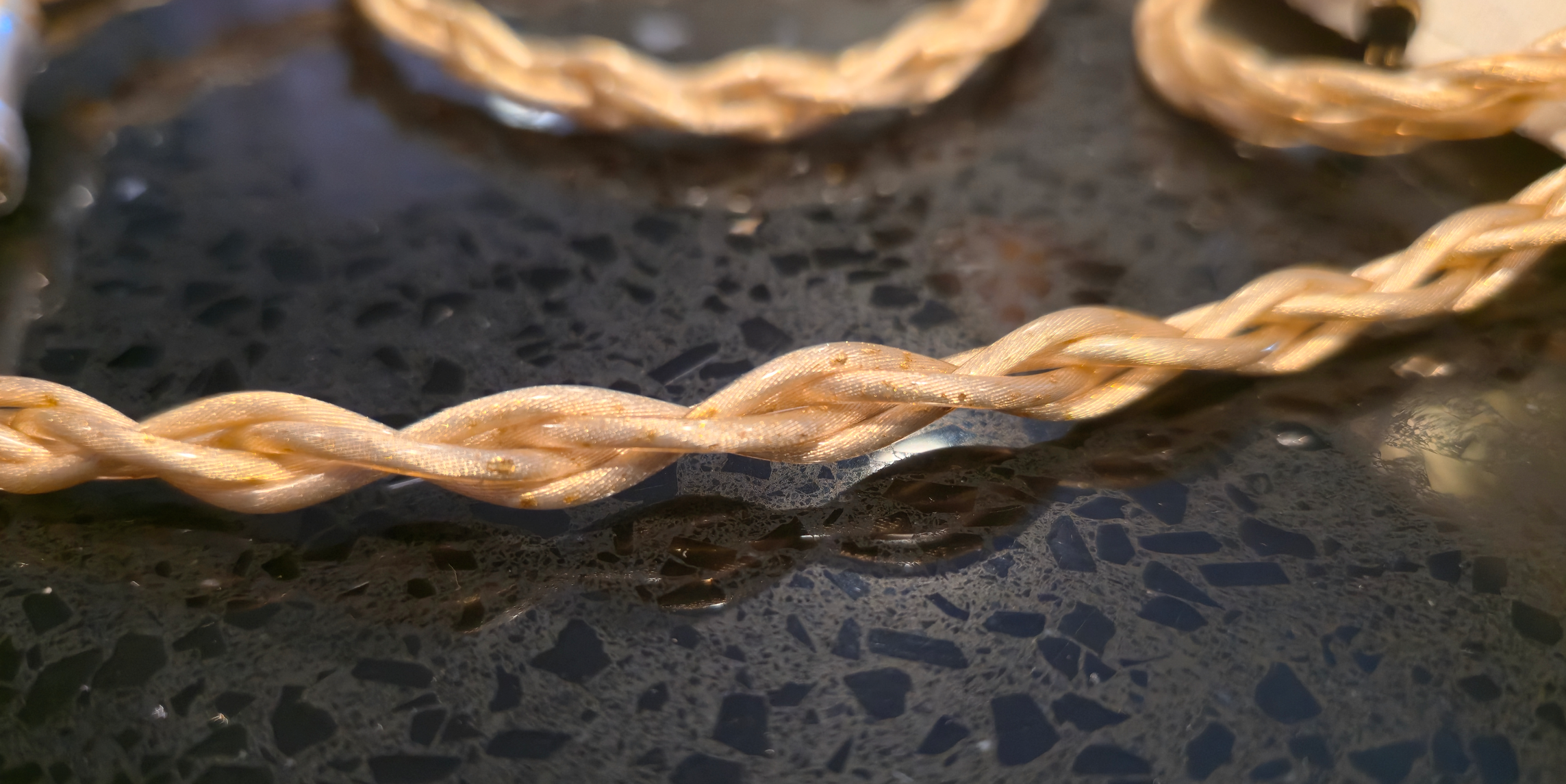
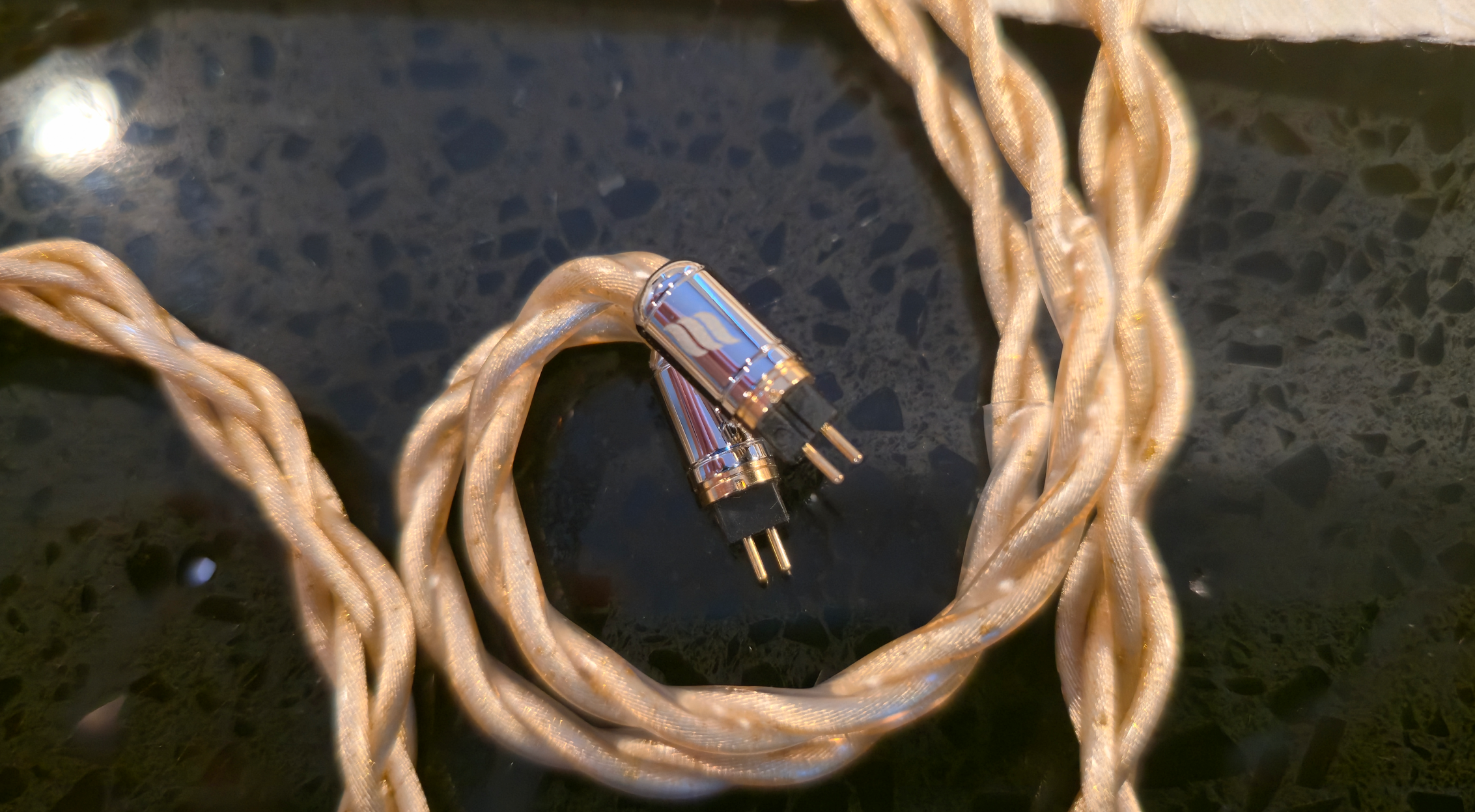
The Guinevere adopts several unique features from the Unicorn Prestige which are nice but also fairly...useless in the long run and I'm not quite sure of why they have this obsession to add it but hey who am I to judge. This feature being the rotating "fidget" spinner aspect on the Y-Split, I personally am not too sure who sits there grabbing at their audio cable while listening but whatever, it's nifty and kinda cool and feels extremely sturdy and resilient so can't complain. The wire itself is a thick 21 AWG 4 wire braid but is still incredible supple and has no microphonics when moving around. The cable is also stunningly beautiful to look at, the gold-fleck and amber coloring of the PVC sleeve is a bit of a statement piece and certainly stands out but matches the aesthetics of the Pendragon perfectly. The termination barrel shares the same design accents as the Y-Split and Connectors (if yours is the non-ConX version). Overall everything feels sturdy and well designed, the termination fits flush and tight, the connectors (mine is ConX) are also snug and do not wiggle or come loose over time. My only minor gripe is the chin cinch could be a TAD bit smaller so it held in place better, it doesn't slide down much while in use but with slightly brisker walking it can begin to slide down over time but it is well designed, functional and looks great (mini kings crown).
Technicals:
Soundstage/Imaging/Resolution/Timbre:
The Guinevere has an incredible soundstage, while not as wide as some other flagship cables on the market, it is able to reach extreme depths and height. Width, however, is not lacking and is akin to a medium concert hall. This paired with the reverb/decay effects it has are able to fill in the stage nicely while not obscuring any details. The reverb effect is very much like those that come with BCD drivers, which increases the details on the tail end of notes and allows them to extend/linger well without sounding slow like extended decay can cause. When combined with the staging and reverb effects, the Guinevere is able to achieve strong imaging with true holography. Especially when combined with IEMs with already strong imaging like the Tesseract, Pendragon and Indigo, you're able to pinpoint instruments and multiple vocalists even in full or complex songs. A final note, the stage width is a bit of nitpicking on my behalf, as I am used to cables within the 3k-6k range which have obscene technical abilities, in my comparison cables below it does beat out just about everything within it's price range other than the Beat Audio Oslo MKIV. I find the resolution and detail retrieval of the Guinevere to be top notch in all aspects. Not only is it able to extend the bass and treble well, micro details that are hidden with other cables come to light, even if they are fainter in the background, they are there and it adds a lot to some of your favorite songs if you previously were missing these notes with lesser cables. Timbre on the Guinevere leans very organic, not too lean or full, and despite the lower end elevation, not too warm or bloating. It's a very sweet middle-ground that works well with W shaped IEMs that are already more "neutrally" aligned in their timbre. Additionally, the shielding used, much like the Unicorn Prestige, allows for a clean, black background which further allows micro details to stand out.
Lancelot: The Lancelot is one of Nostalgia Audio's previous flagship cables which was designed around the Camelot and to be the upgrade cable for that. With the Camelot and the Pendragon sharing very similar DNA in their sound and driver configuration I initially thought these two cables would be much closer in both technical performance and tonality but they are very far apart in both aspects. The Lancelot strives for a much more intimate stage, having a narrower field and keeping the sound much closer to the listener, especially vocals. While having a narrower stage, it does not lack in depth, not nearly as deep as the Guinevere which, credit to Nostalgia, it seems they definitely have made strides with this cable to up the technical performance. The biggest issue of the Lancelot is the stage height, it is lacking and doesn't compete against not only cables in it's price range but those below it as well, along with the narrower stage it can cause a bit of a claustrophobic stage on certain iems. I personally found the Lancelot to be lacking in resolution as well, even compared to their much cheaper (albeit newer) Unicorn and Unicorn prestige cables. The Lancelot leans heavily into a warmer, rolled off upper end that causes micro details to be obscured and lost in the warmth. The aforementioned warmth and upper end roll off definitely impacted timbre for me, female vocals weren't as clear or coherent and seemed to alter the pitch of some artists that reached higher registers.
Unicorn Prestige: Achieves a slightly wider stage than the Guinevere, but in turn has a bit less depth and slightly less height. These are not the most noticable differences but are definitely present when listening. Imaging is also fantastic on the Unicorn Prestige, I would say it's neck and neck between them. The greatest difference comes in their resolution. The Unicorn Prestige is fantastic and pulling out details in mid bass and lower treble but does not compete elsewhere. Guinevere has much better articulation throughout the mids, sub bass and entire treble region while matching or exceeding in the mid bass. I will give overall timbre and natural sound to the Unicorn Prestige though, not to say that the Guinevere isn't incredible in it's ability to sound natural and elegant but the reverb effect can, at times, be a little distracting to "real", unless of course you're used to listening inside a concert hall where these effects are common place.
Beat Audio Oslo MKIV: Technically these two are fairly close competitors but they achieve it very differently. The Oslo has a wider stage, but is not as deep while also having just a bit less height than the Guinevere. Imaging is a standout of the Oslo but it comes from tightening the bass and boosting the lower treble and air in order to give greater note end articulation to pick out the sounds in the wider stage. Guinevere achieves the same or better imaging through it's ability to control the entire frequency range, while the bass is not as tight as the Oslo, or treble as sharply defined, the way the Guinevere layers it's sounds is much stronger where the Oslo is flatter, wider with the sound more "next to" eachother. The same as above applies to resolution and overall detail retrieval, the Oslo is impressive but it can begin to feel more like a party trick than actual definition due to the tuning effects. Timbre is handedly given to the Guinevere here due to the fact the Oslo can come off thinner and semi-sibilant with the wrong iem pairing.
Sound Comparison
Bass: Dynamic, punchy with a good sturdy low rumble that helps to keep the bass grounded and strong without being overwhelming. The Guinevere helps to tighten up the mid bass so there's no bloom or bleed but with the reverb effect and medium-fast decay, there's no lack of quantity and tactility. If there's one thing the bass of the Guinevere excels at, it's a tactile and dynamic sound which I love because it does this all without elevating quantity of the mid bass and only a mild amount of sub bass quantity is added. If you combine this with IEMs like the Pendragon with a moderately fast double dynamic driver bass, you get a fuller sound that enevelopes you but remains incredibly layered and coherent with lots of micro and macro detail throughout. Although I would classify the Guinevere as neutral with a light bass boost, there is a hint of warmth which helps keep male vocals sounding appropriately bodied. Layering and depth is the other reason to pick this cable, most cables biggest weakness is they have quantity but that quantity is just flat and lacks depth and nuance, that is not the case with the Guinevere, allowing every instrument it's own space within the Z axis of space. Overall, the bass has incredible punch, rumble and articulation that for me, works best with iems with a medium to fast bass decay allowing the reverb to have the maximum space to play in without becoming "too much".
Lancelot: The Lancelot is very different from that of the Guinevere, opting for a much warmer, smoother and slower sound. Decay is long and drawn out with the Lancelot and has an elevated mid bass that, despite the quantity, does not have a large amount of rumble thanks to the smoothness that is present from the long decay and less defined note edges. There is also a bit of bass bleed into the lower mids with the Lancelot and while it doesn't obscure or lesson the mids as much as other cables out there, this combined with the overly smooth dynamics and lack of incisiveness from top to bottom made it not a cable I'd personally ever use. These sacrifices are made for the mid-range however, which I'll cover later the benefits/drawbacks in more detail. But bass to bass, the Guinevere is the clear winner, much better texture and detail with much more articulation.
Unicorn Prestige: While the Guinevere focuses a lot of it's attention toward the Sub Bass in terms of elevating any quantity, the Unicorn is fairly balanced across, but does elevate both sub and mid bass. The Unicorn is a bit leaner in the bass though, despite greater quantity and this can be attributed to the speed and decay. While Guinevere sits toward a neutral/fast decay, the Unicorn Prestige is quicker, but not quite as quick as the below Oslo MKIV. Unicorn also does not tighten up the mid bass as much and notes are slightly rounder here than on the Guinevere where they are more defined and etched out against a blacker background and a deeper soundstage. Both are excellent cables for a bass lover, but if you want more texture, decay, reverb and tactility, and sub bass emphasis then pick Guinevere, otherwise Unicorn Prestige. Worth noting the Unicorn does SLIGHTLY add a touch more warmth to the mids with it's elevated mid bass than Guinevere does.
Beat Audio Oslo MKIV: The only pure silver cable in this comparison and the Oslo is what people typically think about when it comes to silver and it's tonal traits. Bass is tight and very fast, with a bit of sub bass elevation alongside it. Transients are fast, a bit faster than that of the Guinevere which erres on the side of natural so it keeps transients from being "too fast". Although the Oslo is very dynamic sounding, the Guinevere still has it beat with the lowest of low details being tactfully in the background and when big bass hits occur, it ramps up significantly, the difference between these two in dynamics isn't drastic but it is definitely noticable. Male vocals can sound a bit thin with the Oslo, which is a major downside for me of this cable but overall the bass presentation is extremely well textured and tactile with great punch.
Mids: Guinevere adopts a neutral placement for vocals. I mention this first because far too many cables and iems often recess the mids, whether lower or upper so that they sit unnaturally behind a wall of bass which instantly kills any remote enjoyment I can get out of the cable or iem. Thankfully, the Guinevere is tasteful and well done even with a good amount of heft down low, I attribute this to how strong the separation is, having great depth to height and enough width to not crowd guitars and vocals throughout the mid range. There's a light amount of warmth here but it somehow stays only within the lower mids which prevents it from harming any female vocals. There is a light sweetness added that if you've used other gold alloy cables you'll be familiar with, there are hints of the Lancelot's tuning here but just not taken to 11 like the Lancelot does. That is to say, vocals are spaceous but full, separated enough to not sound conjested but not having "holes" between so coherency is top notch. Imaging capabilities also continue to be outstanding in the mid-range, vocal cues as well as string plucks sounding clear and can be followed as the artist performs.
Lancelot: If you've heard the Aenid from Eletech, the Lancelot shares a lot in common with it, it has an ultra warm mid range with a lot of imparted sweetness that is very full and forward. The issue with the Lancelot's mids for me is that female vocals just take too much of a hit in their tonality from the added warmth and it can, at times, sound a bit conjested with complex passages. The extremely smooth nature of the Lancelot continues here, and it can come across as a bit flat due to the lack of dynamic range present. However, when the Lancelot works well with your iem and dap (preferably something a bit mid bass lean, upper vocals and lower treble boosted to compensate for the cables strong effects), then vocals are very engaging and addictive. Compared to the Guinevere, I think the Guinevere keeps enough of what makes Lancelot special without all the downsides, it's a clear "next gen" cable that draws on their past experiences.
Unicorn Prestige: Unicorn Prestige is overall leaner, having less note weight through the mids than the Guinevere and sounding a tad bit faster overall with a shorter decay. The slightly additional warmth present in the mids from Unicorns more elevated midbass still does not bleed or cause congestion to any vocals, male or female, with female vocals actually sounding a bit more forward and bright than the Guineveres. Both share a very nice black background for the vocals to be set against, with the Guinevere edging out the Unicorn just slightly.
Beat Audio Oslo MKIV: The leanest through the mids of the bunch with a slight tendancy to have some sibilance with upper mid lifted iems. The decay of the Oslo continues to be faster than that of the Guinevere but due to the lesser depth of the Oslo, vocals do not layer nearly as nicely as on the Guinevere, not sounding quite entirely flat but nearly. The Oslo is good at spreading vocals horizonatally but the vertical height and depth is lacking and especially apparently on vocal heavy tracks set against any bass. Separation is strong though due to that horizontal spread. These flaws of the Oslo are easier to overlook if you're not going toward vocal tracks but I personally find the Guinevere to still be better as a specialist and all-rounder than the Oslo could ever be.
Treble: The Guinevere's treble is well controlled and lightly elevated to prevent the sub bass from becoming too controlling but at the same time, it is lightly rounded at the edges so, while incisive and prevelent, it is not sharp, etched or overbearing. With the stage height the Guinevere is able achieve, it helps greatly separate the treble so it is placed well within the mix, relative to the bass it will sit slightly forward but above it, never interfering with upper mids and female vocals either. Treble is well extended with good air, this I believe was one of the targets of the cable in order to balance out/add to the Pendragon and it works extremely well with the Pendragon but also any other IEM that you may want to inject some air in the upper treble to. There's a defined pre and post ring thanks to the background darkness, separation and imaging being very strong, this allows for a very natural but detailed cymbal which, for me, is make or break to a cable.
Lancelot: The Lancelot embodies smoothness, the treble is no exclusion to this. There is a fair bit of roll off as well, with sparkle being minimal to none based on the iem pairing. It's not exactly a dark cable but the treble is handled in such a way that it can't really shine (pun intended). Upper mids and female vocals can sound a bit thick and off due to this and as such, the Lancelot is not a cable I'd personally ever use with any of my iems, not even the Camelot which this was originally intended for. There's also a fair lack of air which adds to that congestion I mentioned in the mids section, overall, unless you're very treble sensitive there's nothing about the Lancelot that outdoes the Guinevere here.
Unicorn Prestige: Slightly more sparkle and note edge to the overall treble response, with a bit less lower treble quantity and air but it's overall well balanced. The decay here leans a bit slower than the Guinevere, contrasting the mids. There's also less extension here than the Guinevere and coupled with the reverb which adds nicely to it's amazing ability to capture pre and post ring, cymbals and overall string instruments and plucks are much clearer and more defined on the Guinevere despite the slightly less defined edges.
Beat Audio Oslo MKIV: Quick, incisive and very sharp note edges define the Oslo. Extension is almost a match for the Guinevere but it falls a bit short, there's also significantly less air from the Oslo, focusing nearly all on the lower treble and upper mid range which is where that sibiliance mentioned prior comes in. The Oslo is excellent if you have a darker iem you really want to open up but it can be difficult to pair due to the rest of the cables effects because it can be overpowering to a signature if the iem isn't very colored. The Guinevere is less heavy handed and is much more finely tuned and full of a finesse that makes any iem just that much better without altering it too much.
Closing: The Guinevere is an amazing step forward for Nostalgia Audio and their cable creations as well as their ability to show how well they can tune a complimentary cable and iem that does truly elevate in every way over stock. If you're thinking of buying a Pendragon, I would call Guinevere a must buy, the synergy is just that good between them. All in all, I very much enjoy this cable and it was a pleasent surprise to see that it worked as a generlist and not JUST with the iem it was created with. At it's price point it is very competitive and I believe the other 79 lucky owners of this cable will be very happy with their purchase.
Sourced By : https://www.head-fi.org/showcase/nostalgia-audio-guinevere.28807/reviews?fbclid=IwY2xjawOnLctleHRuA2FlbQIxMQBzcnRjBmFwcF9pZBAyMjIwMzkxNzg4MjAwODkyAAEe5Hep_fvWWBFoUlc2_Lbmeu2S1w7TivOAVPrGeD0bwrH-mhrthUT18Z5tzLQ_aem_AxjTUV2mr3y7h5RuT33cYw#review-40657